Perineural Injections – Non-Steroidal Injections for Chronic and Acute Pain

Chronic and acute pain affecting your daily life can be devastating. For those dealing with conditions such as neuropathic pain, acute injury, or post-surgical discomfort, finding effective non drug treatments can be an uphill battle. Enter Perineural Injection Therapy (PIT)—a promising solution that is helping many regain control over pain and resuming activity in their lives.

Let’s explore what perineural injection therapy is, its benefits, and the types of conditions it can help treat.

What is Perineural Injection Therapy?

Perineural Injection Therapy, sometimes referred to as Neural Prolotherapy or PIT, was developed by Dr John Lyftogt as a minimally invasive treatment aimed at reducing pain and promoting healing in the nerves and surrounding tissues. The therapy involves the injection of a buffered dextrose solution (often with a local anesthetic) near nerves where pain and inflammation are occurring.

The primary goal of PIT is to treat inflammation and pain caused by nerve irritation or injury. It helps reduce the sensitivity of the nerves and promotes tissue healing. By delivering the injection near the affected nerve, PIT targets the root cause of the pain, not just the symptoms.

How Does Perineural Injection Therapy Work?

The solution used in PIT is injected around the nerve, which is why the treatment is called “perineural.” The injection works by feeding the nerve, reducing inflammation, and increasing blood flow to the area.

Here’s a breakdown of the process:

  1. Diagnosis: A doctor will first assess the source of the pain through collecting history, performing physical examination, and in some cases through imaging studies.
  2. Injection: The physician will carefully administer small injections of the sterile PIT solution around the nerves causing the pain.
  3. Pain Relief: The injection reduces inflammation around the nerve, providing immediate and short (hours) to long-term relief (days to weeks) from pain. 
  4. Healing Process: Over time, the nerves begin to heal, leading to reduced pain and improved mobility.

Conditions Treated by Perineural Injection Therapy

PIT is not a one-size-fits-all solution, but it may be effective in treating a wide range of chronic pain conditions, including:

  1. Neuropathic Pain
  • Sciatica: Nerve pain caused by compression of the sciatic nerve.
  • Carpal Tunnel Syndrome: Pain, numbness, or tingling in the hand due to nerve compression.
  • Post-Surgical Pain: Nerve pain that persists even after surgery
    • Fascial/scar treatment: Pain, inflammation, or discomfort in adhesions/scar tissue
  • Herniated Discs: A common cause of lower back pain, where discs bulge and irritate nearby nerves.
  • Facet Joint Syndrome: Inflammation of the joints in the spine, often causing pain in the lower back and neck.
  • Chronic Pain Syndromes: Conditions such as Complex Regional Pain Syndrome (CRPS) or Fibromyalgia that cause widespread pain and discomfort may benefit from PIT.
  1. Musculoskeletal Pain
  • Tendonitis: Pain and inflammation in the tendons, often from overuse or injury.
  • Plantar Fasciitis: Pain in the bottom of the foot, often due to overuse or injury. 
  • Acute ligament or tendon injury/strain
  1. Headaches and migraines fall into neuropathic and musculoskeletal pain categories. PIT and sphenopalatine ganglion baths, a non-injection therapy using PIT solution can be effective for migraines.

Benefits of Perineural Injection Therapy

  1. Non-Surgical/Non-medication Treatment
    One of the biggest advantages of PIT is that it provides an alternative to surgery and can reduce the need for injected cortisone and oral NSAID or opioid pain medication. For many individuals dealing with chronic pain, PIT offers a non-invasive solution that can improve their quality of life without the need for complex procedures or extended recovery times.
  1. Minimal Downtime
    Unlike traditional surgeries, PIT has little to no downtime. Patients can often return to normal activities within a short period of time after the injection, although some rest may be recommended for overuse/acute injuries.
  1. Long-Term Pain Relief
    While results can vary, many patients experience significant, long-term pain relief after successive sessions. In most cases, multiple sessions may be required, but with each injection, the body has the opportunity to heal and function more optimally.

What to Expect During and After Treatment

During the Procedure:
The injections are relatively quick and use a small gauge needle, similar to acupuncture needle size. There is usually minimal pain with added lidocaine/procaine, and the dextrose also acts as an anesthetic.  The number of injections needed will depend on your specific condition.

After the Procedure:
Post-treatment care is usually minimal. You may experience some mild soreness or a tingling sensation near the injection site, but most patients find the recovery process quick and easy. Results can vary; some people experience immediate relief, while for others, it may take a few days or weeks to see significant improvements.

Risks and Side Effects: 

Perineural Injection Therapy is considered a safe procedure with minimal risks. Side effects are rare and usually mild, such as temporary swelling or redness at the injection site.

Is Perineural Injection Therapy Right for You?

If you’re dealing with pain and are seeking an alternative to traditional treatments like medications or surgery, Perineural Injection Therapy may be worth exploring. It’s particularly effective for those with nerve-related pain and inflammation.

However, as with any medical treatment, it’s important to consult with your healthcare provider to discuss whether PIT is a suitable option for your condition. They can assess your pain, review your medical history, and determine the best approach to managing your symptoms.

Peptide Therapy: Healing, Recovery, and Renewal — Made Simple

If you’ve been keeping up with the latest in wellness and regenerative medicine, you’ve probably heard about peptide therapy. It’s often called the “next frontier” for helping your body heal, recover, and perform at its best. But what are peptides, and why are they getting so much attention? We are going to take a dive into the “what” and “how” below.

What Are Peptides?

Peptides are short chain amino acids, the same building blocks that make up proteins. Your body uses them as tiny messengers that tell your cells what to do and when to do it. Some peptides help your body make more collagen, others calm inflammation, and some even support growth hormone, weight loss, immune function, or gut repair. They are not steroids or hormones, they are signaling tools.

Because they’re so versatile, peptides are being used for everything from sports recovery to skin rejuvenation, joint rehabilitation and weight loss.

How Peptides Help You Heal

One of the most exciting uses for peptides is tissue repair. Research shows peptides can help your body heal faster, boost collagen, and close wounds more quickly. While the science is promising, most studies are still small, so it’s important to work with an experienced provider.

For example:

  • BPC-157: Originally found in the stomach, this peptide helps heal muscles, tendons, and ligaments, and can reduce inflammation.
  • TB-500 (Thymosin Beta-4): Promotes the growth of new blood vessels and helps cells move to where they’re needed for recovery.
  • AOD 9604: Stimulates bone differentiation and mineralization in bone stem cells. It promotes production of collagen and proteoglycan in the chondrocyte of the bone and assists with repair of bone, muscle and cartilage and can help to promote enhanced fat metabolism.
  • GHK-Cu: Naturally found in human plasma and skin. Upregulates collagen and elastin gene expression, supports wound healing and cellular repair, tissue remodeling and regeneration, hair follicle support.
  • MOTS-c: Found inside mitochondria. Decreases insulin resistance helping the pancreatic cells to keep their sensitivity to insulin. Can also help improve fatigue and fatty liver, weight loss and athletic performance.
  • Tesamorelin / Ipamorelin blend: Supports lean muscle maintenance or growth, helps to reduce body fat and improves metabolism function. This combination helps to support favorable changes in fat-to-muscle ratio and can help to preserve lean body mass during fat loss.

We have several other peptides we source individually for patients, please inquire with any specialized interest.

Peptides for Weight Loss

We currently offer Tirzepatide (a GLP-1/GIP agonist) for weight loss, in addition to AOD9604, and MOTS-c. 

The GLP-1 class of medications burst onto the scene in the late 2010s and were popularized for their effects on weight loss and Type 2 diabetes. Tirzepatide was approved in 2023 for weight loss and obstructive sleep apnea. More recent research has expanded to conditions including Dementia/Alzheimer’s, Addiction (drugs, food, gambling), reduction of systemic inflammation and support for post-viral conditions such as Long-COVID. 

Our patients on a Tirzepatide program have a 15 minute weekly check in and subcutaneous injection with a Hill Park provider. During this time we will do a ‘weigh in’ to track your weight loss but also check in on progress or any side effects. 

We have found that the individualized attention of these check-ins helps us guide you towards optimal weight loss goals. Once you have met your weight goal, we will continue to manage your Tirzepatide prescription at a maintenance dose or through discontinuation.

Peptides for Radiant Skin

Peptides aren’t just for athletes, they’re a big deal in skincare too! Used alongside other skincare staples like retinoids and antioxidants, peptides can help keep your skin looking youthful and resilient.

For example, GHK-Cu (a copper peptide) can help your skin make more collagen and elastin, making it firmer and smoother. Peptides in creams or serums can:

  • Speed up wound healing
  • Improve skin elasticity and hydration
  • Reduce inflammation and dark spots

Gut Health: The Hidden Benefit

Your gut lining is always renewing itself, and peptides play a key role in this process. BPC-157 is especially good at protecting your stomach and helping your intestines heal. Collagen peptides taken by mouth can also help with bloating and mild digestive issues. New research suggests peptides may even help balance your gut bacteria and strengthen your gut barrier.

Sleep and Recovery

Some peptides may help you sleep better and recover faster. DSIP (Delta Sleep-Inducing Peptide) is being studied for its ability to improve deep sleep. Peptides that boost growth hormone, like CJC-1295, may also help your body repair itself overnight. Animal studies hint that gut peptides could help you sleep more deeply by calming the gut-brain connection.

How Are Peptides Used?

Peptides can be delivered in different ways, depending on your goals:

  • Subcutaneous injection: Most common for healing and growth hormone support.
  • Topical (creams/serums): Great for skin and wound healing.
  • Oral supplements: Best for gut health and collagen support.
  • Local injection: Used for joint or tendon injuries.

Because peptides are delicate and can break down quickly, it’s important to use them under medical supervision.

Safety First

Peptides are natural, but they’re not risk-free. Possible side effects may include mild reactions at the injection site (tenderness, redness, lumps under skin), headaches, fatigue, or hormonal/immune imbalances if used incorrectly. Peptide therapy is not recommended for people who are pregnant, breastfeeding, have a history of cancer, or have serious endocrine, liver, or kidney issues. 

Thinking About Peptide Therapy?

If you’re curious about adding peptide therapy to your wellness routine, here’s what to keep in mind:

  • Work with a qualified clinician who knows peptide and regenerative medicine.
  • Get tested first: lab work helps guide safe and effective use.
  • Choose reputable sources for purity and dosing accuracy.
  • Remember, peptides work best as part of a bigger plan: good nutrition, sleep, exercise, and stress management are key.

Bottom Line:

Peptide therapy isn’t a magic fix, but it’s a powerful tool for anyone serious about recovery, resilience, and long-term health. Whether you’re healing an injury, improving your skin, rebuilding your gut, or supporting deep sleep, peptides offer a fascinating bridge between science and whole-body wellness. 

Our providers are currently offering peptide therapy, including 15 minute complimentary introductory consults, to see if this is the right direction for you.

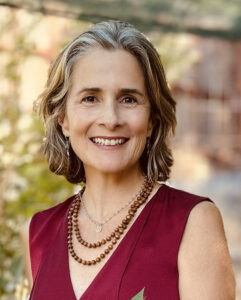
Welcome Dr. Gabrielle Klein, ND to Hill Park Integrative Medical Center

We are so very excited to announce a new addition to our medical team, Dr. Gabrielle Klein, ND.

Dr. Gabrielle Klein, ND, is a graduate of Bastyr University San Diego. As a Licensed Naturopathic Doctor, she specializes in women’s health, family medicine, and tick-borne illnesses.

Dr. Klein’s clinical specialized interests include pelvic diseases (endometriosis, PCOS, ovarian cysts, uterine fibroids, interstitial cystitis, pelvic pain), hormone imbalances, digestive health, immune support, and chronic conditions with a particular focus on endometriosis and Lyme disease.

A personal health journey inspired Dr. Klein to pursue a career in Naturopathic Medicine. She is ILADS trained in tick-borne disease management, has completed the Applying Functional Medicine in Clinical Practice (AFMCP)™ course through the Institute of Functional Medicine, and is trained in advanced IV nutrient therapy, Craniosacral Therapy, Constitutional and Acute Hahnemannian Homeopathy, Botanical Medicine, Biofeedback, and Constitutional Hydrotherapy. She holds a BA in Sociology from the University of California, Santa Barbara.

Prior to her medical career, Dr. Klein professionally invested nearly 20 years in the dietary supplement industry focusing on marketing, product formulation and development, and helped to introduce several innovative therapies to the integrative nutraceutical industry in the United States from raw material education to complete product formation of now existing products such as CoQ10, Nattokinase, and several specialized probiotic lines.

Alongside her clinical work, Dr. Klein is committed to patient advocacy and expanding the scope of practice for Licensed Naturopathic Doctors in California. She has held leadership roles as the Naturopathic Medical Student Association (NMSA) Chapter President and Vice President of Communications for the Student Government Association while she attended Bastyr University San Diego, helping to inform students of events and expanding networking and professional development opportunities. She continues in her position as Advocacy Relations for the California Naturopathic Doctors Association (CNDA), and serves as an active member of both the CNDA and the American Association of Naturopathic Physicians (AANP).

When not in practice, she enjoys spending time with her cats and dog, connecting with friends and family, exploring nature, and attending live music, theater, and film in her local community.

“Each individual holds a personal roadmap that guides them in their pursuit of wellness. It’s my honor and pleasure to walk alongside every patient on their journey and unlock the mysteries of their health through their individual stories and history.”

Dr. Klein is currently accepting new patients and offering complimentary 15-minute consults to learn more about her practice.

Please contact our staff at 707-861-7300 or [email protected] to schedule an in person or telemedicine appointment or request an appointment through the website.

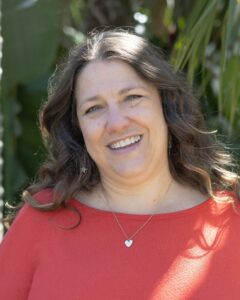
Welcome Dr. Brandi Holmes, ND to Hill Park Integrative Medical Center

We are very excited to announce a new addition to our medical team, Dr. Brandi Holmes, ND.

Dr. Brandi Holmes is a licensed naturopathic doctor in California and Arizona specializing in personalized, integrative care for active women and athletes. With a passion for optimizing performance, preventing injury, and restoring balance, Dr. Holmes offers a holistic approach that connects the dots between hormones, musculoskeletal health, nutrition, and mindset. Her mission is to empower each patient to feel strong, energized, and in sync—on and off the field.

A lifelong athlete, Dr. Holmes began competing in kindergarten and continued through college with a primary focus in track and field, specializing in sprints and hurdles. She also played softball, lacrosse, tennis, and trained in martial arts. Her competitive drive and “no pain, no gain” mindset led to athletic success—but also a cycle of repetitive injuries, including shin splints, stress fractures, and ankle sprains. These experiences sparked her early interest in injury prevention and whole-body wellness.

Dr. Holmes pursued dual undergraduate degrees in Kinesiology (with a focus on physical therapy) and Cellular & Molecular Biology at San Diego State University. During this time, she gained five years of hands-on clinical experience at a physical therapy practice, where she developed skills in rehabilitative therapies such as aquatic therapy, Pilates, electrotherapeutic modalities, and functional movement assessments.

Her desire to practice integrative medicine led her to Bastyr University California in San Diego, where she earned her Doctorate in Naturopathic Medicine. Her training included botanical medicine, nutritional therapy, targeted supplementation, pharmaceuticals, and lifestyle counseling, as well as advanced physical medicine techniques including soft tissue manipulation, therapeutic exercise, and electrotherapy.

Dr. Holmes takes a systems-based approach to sports and performance medicine, recognizing that true recovery and peak performance require a deeper understanding of how all organ systems interact with the musculoskeletal system. She is especially passionate about supporting hormonal balance, gut health, and metabolic optimization in active individuals.

Dr. Holmes partners with patients to create personalized, evidence-informed plans that support both short-term recovery and long-term vitality. Whether you’re an athlete striving for peak performance or someone ready to feel at home in your body again, Dr. Holmes is here to help you thrive—every step of the way.

“Optimal athletic performance isn’t just about muscle strength and flexibility—it’s a symphony where every body system plays a part, from digestion fueling endurance to hormones fine-tuning recovery. When all systems work in harmony, athletes unlock their true potential.”

Dr. Holmes is currently accepting new patients.

Please contact our staff at 707-861-7300 or [email protected] to schedule an in person or telemedicine appointment or book an appointment through the website.

Restore the Immune System with Microbiome Health

An evening talk with Dr. Heidi Lucas, ND FABNO
Monday, December 2nd at 6:00-7:30 pm

    We know that the immune system – a sophisticated network of organs, cells, and proteins – is crucial for fighting cancer, infection, and disease.

Current research has confirmed the critical role of the microbiome (microbes in the gut) in healthy immune function.

Going through cancer diagnosis and treatment—surgery, chemotherapy, radiation, hormone therapies, and immunotherapy—is taxing for the GI tract and immune system. Come learn how we can restore and heal these systems through nutrition, botanical medicine and lifestyle choices.

Dr. Heidi Lucas is a highly skilled Naturopathic Doctor specializing in integrative cancer care for the past 20 years.

Dr. Lucas has worked alongside oncologists and conventional physicians for the entirety of her career, and is frequently sought by conventional oncologists for her expertise in integrative oncology and natural medicine.

She is an active educator and speaker of integrative oncology at leading cancer centers including the Hearst Cancer Resource Center, Leukemia Lymphoma Society, Oncology Nursing Society, American Cancer Society, Gilda’s Club, Cancer Lifeline, Rooted SB, Bastyr University, and many hospitals around the country.