
The Hill Park Approach to GLP-1 Therapy

We have been supporting our patients’ use of GLP-1 receptor agonist medications such as Tirzepatide and Semaglutide for nearly two years and have acquired key clinical insights on the safest, most effective, and sustainable approach to using these medicines.

The Basics of GLP- 1 Medications:
GLP-1 receptor agonists mimic glucagon-like peptide-1, a natural hormone that regulates blood sugar and appetite. Originally designed to treat Type 2 Diabetes, they are now widely used for weight loss due to their effects on insulin, fat storage, delayed gastric emptying to keep you full longer, and signaling the brain to reduce cravings and “food noise”.

The elimination of “food noise”, which can especially be in the form of emotional eating or “thoughtless” eating, has been remarkably liberating for many of our patients, but especially women in peri-menopause/menopause that tend to have hormone driven cravings.

Emerging research on GLP-1–based therapies continues to expand beyond weight management, with potential benefits in areas such as metabolic health, inflammation reduction, support for neurocognitive conditions such as dementia and Alzheimer’s, addiction behaviors (including food, alcohol, and gambling), and post-viral syndromes such as Long COVID and chronic fatigue syndrome (CIRS).

Low Dose Tirzepatide
We are seeing uniquely remarkable results with low dose Tirzepatide in Mast Cell Activation Syndrome (MCAS) and chronic pain and inflammation due to complex chronic illnesses such as Tick-Borne Illness and endometriosis.

Longevity Impact of GLP-1 Outcomes
The cardiometabolic effects are profound; it is very common that we are reducing or eliminating statin use, metformin dependence, augmenting medications that have been controlling metabolic health once the body adjusts to its new weight, new metabolism, and greater cellular health.

The health effects of dramatic improvement of lipid profiles, hypertension, and glucose management are profound enough that research indicates this use across most specialties, but especially oncology for reduction of remission risk by dramatic improvement of health.

These therapies can support healthy weight loss, reduce visceral fat, and help regulate cravings; however, long-term success depends on integrating sustainable lifestyle changes. Our practitioners are committed to guiding, educating, and supporting you throughout the process to ensure both safety and long-term success.

Troubleshooting the Weight Loss Plateau
A GLP-1 weight loss plateau can actually be a normal phase of our body’s adjustment to a new metabolic baseline with weight loss; it’s not necessarily a failure, but a time to pivot the plan. The insight of clinical expertise can help to walk you through workable solutions, returning to forward momentum.

Additionally, some folks have encountered challenges throughout the use of these medications on their own or with online services. Our unique, individualized approach allows our patients to navigate their journey sustainably.

Let’s begin the journey!
To get started, we would set you up with a brief 30-minute intake appointment with Dr. Gabrielle Klein, who leads our Tirzepatide program. At this visit she will start with comprehensive baseline lab work to assess your overall health and inform your treatment plan.

She will also discuss the complex drivers of weight gain and how they can impact your weight loss journey by assessing and discussing the phenotypes that embody them: metabolic dysfunction (PCOS, Insulin Resistance, T2DM), the hungry brain (food noise, constant preoccupation with eating), the hungry gut (large meal capacity and difficulty feeling full quickly), the hedonistic eater (stress eating, rewards-driven eating), or a combination.

Ongoing care includes regular check-ins to monitor progress, track body composition, manage any side effects, and quarterly reassessment of labs to track physiological progress. Additionally, we bring on nutritional support to protect lean muscle and bone mass, minimize the medication’s side effects, and ensure you are meeting your goals.

If this sounds like the right direction for you, or you would like to learn more about the process, you may email or call Arlene at 707-861-7300, or schedule online.

Dr. Eric Yarnell, ND – Conditions Treated

Dr. Yarnell is an extensively awarded doctor, teacher, and a noted authority specializing in men’s health including prostate cancer, all digestive health concerns, and urology concerns for all individuals.

As a professor teaching these subjects to medical students and doctors for over 20 years, he is much sought after for his expertise and we are very fortunate to have him in our community. He is also one of the preeminent practitioners and teachers of the field of herbal medicine.

Conditions Treated

Urology
Chronic prostatitis
Chronic pelvic pain
Interstitial cystitis
Chronic epididymitis
Benign prostatic hyperplasia
Recurrent urinary tract infections
Urinary incontinence
Overactive bladder
Peyronie’s disease
Erectile dysfunction
Male genital lichen sclerosus
Herpes
Genital warts
Spina bifida
Vesicoureteral reflux
Phimosis
Kidney
Chronic kidney disease
Polycystic kidney disease
IgA nephropathy
Membranous glomerulonephropathy
Membranoproliferative glomerulonephropathy
Alport syndrome
Cystinuria
Diabetic nephropathy
Hypertensive nephropathy
People on dialysis
Focal segmental glomerulosclerosis (FSGS)
Lupus nephritis
Monoclonal gammopathy of unknown significance
Nephrotic syndrome
Renal artery stenosis
Kidney stones
Cancer
Prostate cancer
Bladder cancer
Kidney cancer (renal cell carcinoma)
Testicular cancer
Digestive
Ulcerative colitis
Crohn’s disease
Primary biliary cirrhosis
Primary sclerosing cholangitis
Wilson’s disease
Anal fissure or fistula
Aphthous stomatitis
GERD/heartburn
Barrett’s esophagus
Gallstones
Cholecystitis
Celiac disease
Cirrhosis of the liver
Colon polyps
Constipation
Diarrhea
Irritable bowel syndrome
Small intestinal bacterial overgrowth (SIBO)
Elevated liver enzymes
Zollinger-Ellison syndrome (gastrinoma)
Dyspepsia
Gastritis
Stomach/Duodenal ulcer
Hemochromatosis
Hepatitis B/C
Low stomach acid (hypochlorhydria)
Fatty liver
Hemorrhoids
Microscopic colitis
Collagenous colitis
Lymphocytic colitis
Pernicious anemia (autoimmune gastritis)
Pruritus ani
Stomatitis

Prostate Biopsy: Is it Necessary? How to Decide and What to Do

by Eric Yarnell, ND

If you have an elevated PSA level and it has been recommended that you have a biopsy, consider these important tips before you do.

First, it is becoming more and more clear that a prostate MRI should be done before any biopsy. There are several reasons why:

    1. Many MRIs show there is no cancer, and thus a biopsy would be a waste of time.
    2. If an MRI does show a spot that might have prostate cancer, the biopsy can be targeted to that area instead of being somewhat random.
    3. Almost always, this means a prostate biopsy can be limited to just 1–3 samples being taken, instead of the standard of 12 or more.
    4. The MRI can also show other important information such as the size of the prostate, if the seminal vesicles, urinary bladder, lymph nodes, or bones in the area are being affected.

Overall, prostate MRIs help reduce the number of prostate biopsies, which is a very good thing, while providing lots of other information ultrasound-guided biopsies can’t deliver, or aren’t as good at assessing.

It is crucial that the MRI is done on a 3 Tesla strength machine (older MRI machines had 1.5 Tesla magnetic fields and are not sufficient for seeing the prostate). If you have concerns about the contrast material used in MRIs, we have natural therapy options to help counter the low risk of side effects they may cause.

A proper MRI will give what is known as PI-RADs score. This is a standardized assessment of how likely it is that serious prostate cancer would be found on a biopsy. Generally speaking only PI-RADS 4 or 5 lesions should be biopsied, and sometimes even these prove not to be cancer. If there is only a PI-RADS 3 lesion, then usually it means no biopsy is needed and a repeat MRI should be done in a year (almost always without contrast on this follow-up imaging). PI-RADS 1 and 2 lesions never need to be biopsies.

There are other tests Dr. Yarnell can discuss with you as well to help determine if a prostate biopsy is necessary in the first place.

Second, if the MRI shows an issue or a prostate biopsy is going to happen, it is imperative that it be a transperineal, not a transrectal biopsy. Currently over 90% of prostate biopsies are done through the rectal wall, which does provide good and fairly easy access to the prostate. However, this brings with it a quite high risk of infection, including potentially deadly sepsis. This risk is so high, that the entire country of Norway has essentially abandoned transrectal prostate biopsies, and in 2021 the European Association of Urology agreed, saying only transperineal biopsies should be done. In this type, the needle or needles are placed through the skin between the base of the penis and the anus. While a bit more challenging for the urologist, it provides just as good information and is dramatically safer.

Dr. Yarnell can help explain all these options to you, and help advocate with your urologist to make sure you get an MRI when appropriate. If it appears a biopsy is recommended, Dr. Yarnell will help support you getting a transperineal prostate biopsy focusing only on problem lesions, and not a transrectal prostate biopsy or a fishing expedition all over your prostate. Furthermore, he can provide natural treatments to go with the biopsy to reduce the already very low risk of side effects even further.

Some patients are concerned that a biopsy will spread cancer. Two studies have looked into this concern with prostate biopsies. One found that while very rarely you could find evidence of prostate cancer cells in the blood after a biopsy (just 4 cases out of 42 studied). This supports the long-held naturopathic notion that the immune system can take out a few errant cells that might escape during a biopsy. Another study found that in just 2% of prostate biopsies was there any evidence of cancer cells being pushed around inside the prostate by the needle. Given that the rate of prostate cancer mortality has gone down despite the near tripling of the number of prostate cancer biopsies being performed, it is highly unlikely that prostate biopsies cause any significant amount of cancer spread. Again, Dr. Yarnell can recommend some supplements to help reduce this already extremely low risk if you wish.

If you want a forward-thinking doctor who really puts patients first, stays up-to-date on the latest findings, and can implement a science-informed natural approach to prostate problems of all kinds, then call and make an appointment to see Dr. Yarnell.


References

Bastacky SS, Walsh PC, Epstein JI (1991) “Needle biopsy associated tumor tracking of adenocarcinoma of the prostate” J Urol 145(5):1003–7. 

Midiri F, Vernuccio F, Purpura P, et al. (2021) “Multiparametric MRI and radiomics in prostate cancer: A review of the current literature” Diagnostics (Basel) 11(10):1829.

Moreno JG, O’Hara SM, Long JP, et al. (1997) “Transrectal ultrasound-guided biopsy causes hematogenous dissemination of prostate cells as determined by RT-PCR” Urology 49(4):515–20.

Wolinsky H (2023) “Death Spurs Country’s Shift to Safer Prostate Biopsies” Medscape Medical News, March 15, https://www.medscape.com/viewarticle/989696
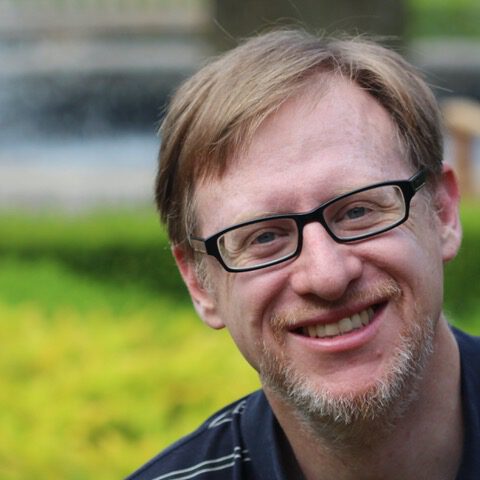

Gastroenterology Specialty at Hill Park

We hope this finds you well and enjoying the final days of summer. We’re reaching out with some exciting news that Dr. Eric Yarnell, ND is now seeing patients for gastroenterology concerns!

As the author of the definitive textbook of naturopathic Gastroenterology, The Natural Approach to Gastroenterology, he is one of the preeminent practitioners and teachers of gastroenterology in the naturopathic profession. As a professor to medical students and doctors for over 20 years, he is much sought after for his expertise from the medical community.

Dr. Yarnell’s specialization includes Small Intestinal Bacterial Overgrowth (SIBO), IBS, gallbladder/liver, intestinal parasites and microbiome imbalance with additional focus in identifying the underlying concerns of chronic diarrhea/constipation, gas/bloating, and abdominal pain. He is uniquely specialized in difficult cases of inflammatory bowel disease (Crohn’s disease and Ulcerative Colitis) and undiagnosed digestive problems.

Dr. Yarnell is a noted authority specializing in men’s health, gastroenterology, and herbal medicine. He is known for his extraordinary, compassionate, and personalized care for his patients. As a highly awarded and beloved doctor, mentor, researcher, and professor of Naturopathic Medicine and Botanical Medicine, it’s truly an honor and privilege to have him serve our community.

Dr. Yarnell is currently accepting new patients and will be doing in-person patient care this September.

Eric Yarnell, ND at Hill Park Integrative Medical Center

Eric Yarnell, ND, RH(AHG) (Bastyr University, 1996) is a researcher and professor at Bastyr University and has been in practice for 25 years, focusing on and mentoring student doctors in men’s health, urology, gastroenterology, and nephrology, with a heavy emphasis on herbal medicines. Dr. Yarnell works to find the underlying causes of conditions and to use whatever tools are needed (preferably natural ones, saving conventional approaches only for those few cases where they are truly necessary) to support healing. 

Dr. Yarnell is chief creative officer of Wild Brilliance Press, president of Heron Botanicals, and CEO of Red Root Pharmaceuticals. He is a co-founder of the Boucher Institute of Naturopathic Medicine in Vancouver, BC. He previously served as chair of the department of botanical medicine at the Southwest College of Naturopathic Medicine. 

He has over 150 published medical articles and is the author of many of the definitive textbooks used to teach naturopathic doctors including Natural Approach to Urology 2nd ed, Natural Approach to Prostate Conditions 2nd ed, Natural Approach to Gastroenterology 2nd ed, and the forthcoming Naturopathic Nephrology.

He is a highly desired keynote speaker at educational seminars and has been the recipient of four distinguished lifetime awards in the Naturopathic Profession in recognition for his outstanding contributions to the field of natural medicine, research, botanical medicine, and education.

American Association of Naturopathic Physicians Vis Award (2014)
Naturopathic Medical Student Association Faculty of the Year (2018 and 2020)
Gastroenterology Association of Naturopathic Physicians Borborygmus Award (2020)

“Nothing is more satisfying than really listening to someone’s whole story, and helping them discover and fix the underlying cause of their problem.”